The MMDA number coding scheme is a traffic rule under the Unified Vehicular Volume Reduction Program (UVVRP) implemented by the Metro Manila Development Authority (MMDA) that limits the number of cars on the road on certain days and hours based on the last digit of your plate number. It helps improve travel time and reduce pollution by reducing traffic, especially during busy or rush hours.
As of writing, the standard MMDA number coding hours are in effect from 7 AM to 10 AM and 5 PM to 8 PM, Monday to Friday, with window hours in between. But some cities and thoroughfares—like Makati and EDSA—follow different rules, so you’ll need to stay alert.
MMDA Number Coding Schedule (Metro Manila)
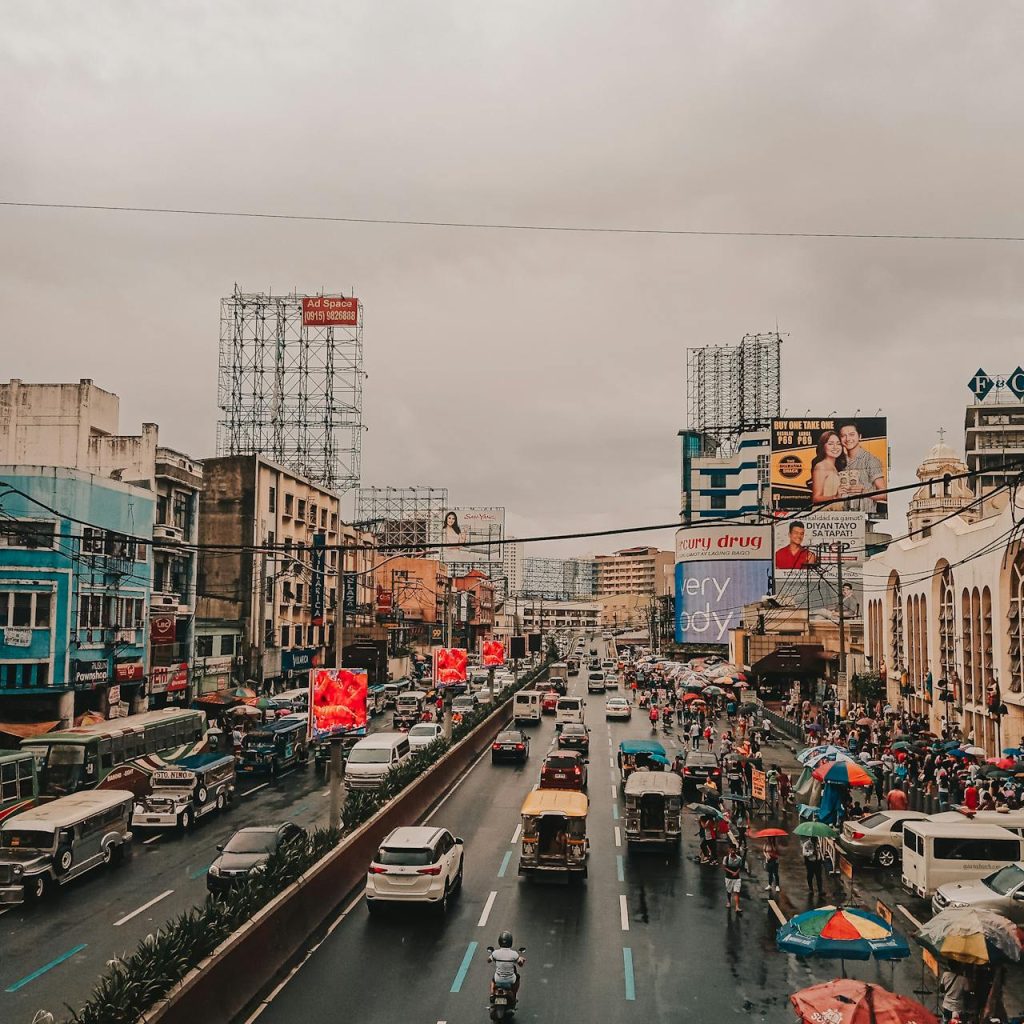
According to the standard guideline on the number coding scheme implemented by the MMDA in Metro Manila, coded vehicles cannot travel during:
- 7:00 AM to 10:00 AM
- 5:00 PM to 8:00 PM
It comes with window hours, or specific time periods when the number coding scheme is temporarily lifted, allowing coded vehicles to travel without penalty from 10:01 AM to 4:59 PM so drivers still have time to run essential errands or travel during non-peak traffic times.
The number coding scheme set the coding days based on the last digit of your license plate number:
- 1 & 2 – Monday
- 3 & 4 – Tuesday
- 5 & 6 – Wednesday
- 7 & 8 – Thursday
- 9 & 0 – Friday
How the Number Coding Scheme Works
To properly observe the number coding scheme, simply follow these steps:
Step 1. Check the last digit of your plate.
Step 2. Find out your coding day.
Step 3. Do not travel during the two “coding hours” blocks.
Step 4. You are free to travel in the window hours (except Makati).
Step 5. If you must travel on your coding day, you may:
- Use a coding-exempt vehicle
- Apply for an exemption (if applicable)
- Adjust your trip to window hours
- Take alternate routes not covered by coding
- Use public transport or carpool
Benefits
Here are some of the benefits of the number coding scheme:
- Reduces road congestion by limiting the number of vehicles on major roads during peak hours.
- Improves traffic flow, especially in heavily congested areas like Metro Manila.
- Encourages carpooling and shared rides, helping reduce the total number of cars on the road.
- Pushes commuters to consider alternative transportation, decreasing dependence on private vehicles.
- Helps lower fuel consumption by minimizing unnecessary trips during peak restrictions.
- Contributes to reduced air pollution because fewer cars are running at the same time.
- Supports better travel time predictability, making commuting slightly more manageable for daily travelers.
Coding Rules Per City in Metro Manila
The number coding scheme has standards, but some cities and thoroughfares have their own rules. You would want to be careful in observing these to avoid being slapped with a traffic violation.
Here are some of them:
Makati
- Stricter compared to other cities
- Coding hours: 7 AM–7 PM
- No window hours
- Fine: P300
Quezon City
- Follows MMDA scheme:
- 7–10 AM & 5–8 PM
- Window hours: 10:01 AM–4:59 PM
Pasig City
- Same as MMDA standard hours
Pasay City
- Same as MMDA standard hours
- Coding does not apply in:
- Domestic Road
- Ninoy Aquino Avenue
- MIA Road
- Sales Road
- Parts of Airport Road
- Parts of Buendia (Gil Puyat)
Parañaque City
- Same as MMDA standard hours
Mandaluyong City
- Same as MMDA standard hours
Manila City
- Mixed rules:
- Some areas: no window hours
- Some areas: standard MMDA schedule
Valenzuela City
- Follows standard MMDA hours
- Window hours: 10:01 AM–4:59 PM
- Roads included:
- MacArthur Highway
- Maysan–Paso de Blas–Bagbaguin
- Karuhatan–Gen. T. De Leon
- Gov. I. Santiago (Malinta to Tatawid)
- Mindanao Ave. (Ugong)
- NLEX East & West Service Road
- T. Santiago Road
- Sapang Bakaw – Punturin – Bignay
Muntinlupa / Alabang
- No citywide coding except on:
- Ayala-Alabang National Road
- Alabang-Zapote Road (Buencamino & North Gate)
- Fines:
- 1st offense: P500
- 2nd offense: P750
- 3rd offense and succeeding: P1,000
EDSA
- As of the latest MMDA update, EDSA observes the Odd-Even Coding Scheme
- Odd plates (1,3,5,7,9) – not allowed on Mon, Wed, Fri
- Even plates (0,2,4,6,8) – not allowed on Tue, Thu, Sat
- This rule is for EDSA only because of ongoing rehabilitation works.
- Dry run: violators may receive tickets but no penalties yet.
- Cars crossing EDSA (not driving along the length of it) are not affected.
Exemptions
These vehicles are exempted from the MMDA number coding scheme and can travel anywhere even during coding hours:
- Public utility vehicles (PUVs)
- Motorcycles
- Electric and hybrid vehicles (with LTO certification)
- Garbage trucks
- Emergency vehicles
- Certain government and essential service vehicles
- Some senior-citizen-related vehicles (depends on LGU rules)
Coding Violations
- MMDA may issue a ticket for:
- Driving during prohibited hours
- Passing through a coding-covered road
- Fines vary per LGU, but repeat violations can lead to:
- Higher penalties
- Possible license suspension
- MMDA recommendation for a one-year driving ban for multiple repeat offenders
- Window hours, if allowed in a city, let coded vehicles travel during specific non-peak hours.
- Violations are enforced by MMDA and LGUs, depending on the road where you were apprehended.
- Private and public vehicles are both covered unless stated otherwise by local policies.
Violations & Penalties
The specific violations and penalties you may face include:
- Driving a coded vehicle during restricted hours: ₱500 fine (MMDA standard number coding violation penalty)
- Ignoring or bypassing a traffic enforcer’s signal related to coding enforcement: ₱1,000 fine
- Using fake, covered, or tampered license plates to avoid coding: ₱5,000 fine + possible impound
- Illegal rerouting to enter coding-restricted roads: ₱500 fine (treated as a regular coding violation)
- Using prohibited “coding exemption stickers” or unauthorized passes: ₱5,000–₱10,000 fine + revocation of exemption
- Failure to comply with LGU-specific rules (cities with their own ordinances): ₱300–₱1,000, depending on the local policy
Frequently Asked Questions (FAQs)
For your reference, here are some common questions and answers regarding the MMDA Number Coding Scheme:
1. Is there number coding on weekends?
No. Coding does not apply on Saturday, Sunday, and national holidays.
2. Are senior healthcare vehicles exempt?
Not automatically. They may apply for exemption depending on MMDA requirements.
3. How can I avoid violations?
- Check your coding schedule
- Leave early or adjust to window hours
- Use carpooling or public transport
- Track MMDA daily updates on Facebook and X
- Avoid Makati if you don’t need to pass through
- Know which roads allow exemptions
4. Does it apply to motorcycles?
No — motorcycles are generally exempt from the number coding scheme, so they can travel even during coding hours. This means riders on two-wheelers don’t need to worry about number coding restrictions.
Tips to Survive Number Coding in Metro Manila
If you are driving in Metro Manila, here are some tips that can help you get through the day even on your coding days:
- Plan trips the night before, especially if your car is coded
- Carpool with family, neighbors, or co-workers
- Keep a second ride option if possible
- Save MMDA’s official pages for quick updates
- Learn your city’s specific rules
- Use navigation apps that show coding zones
- Consider an electric or hybrid vehicle if you travel often during coding hours